The Moonwalk: two seconds
that changed everything
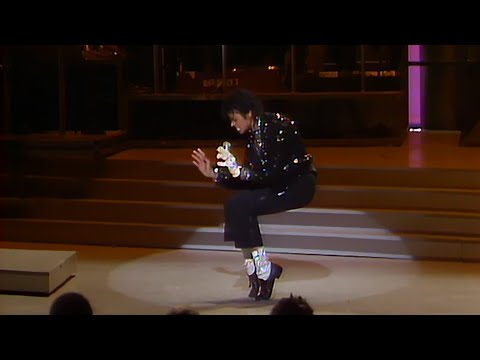
March 25, 1983. A TV special celebrating Motown. And six gliding steps backwards that the world has been trying to copy ever since.
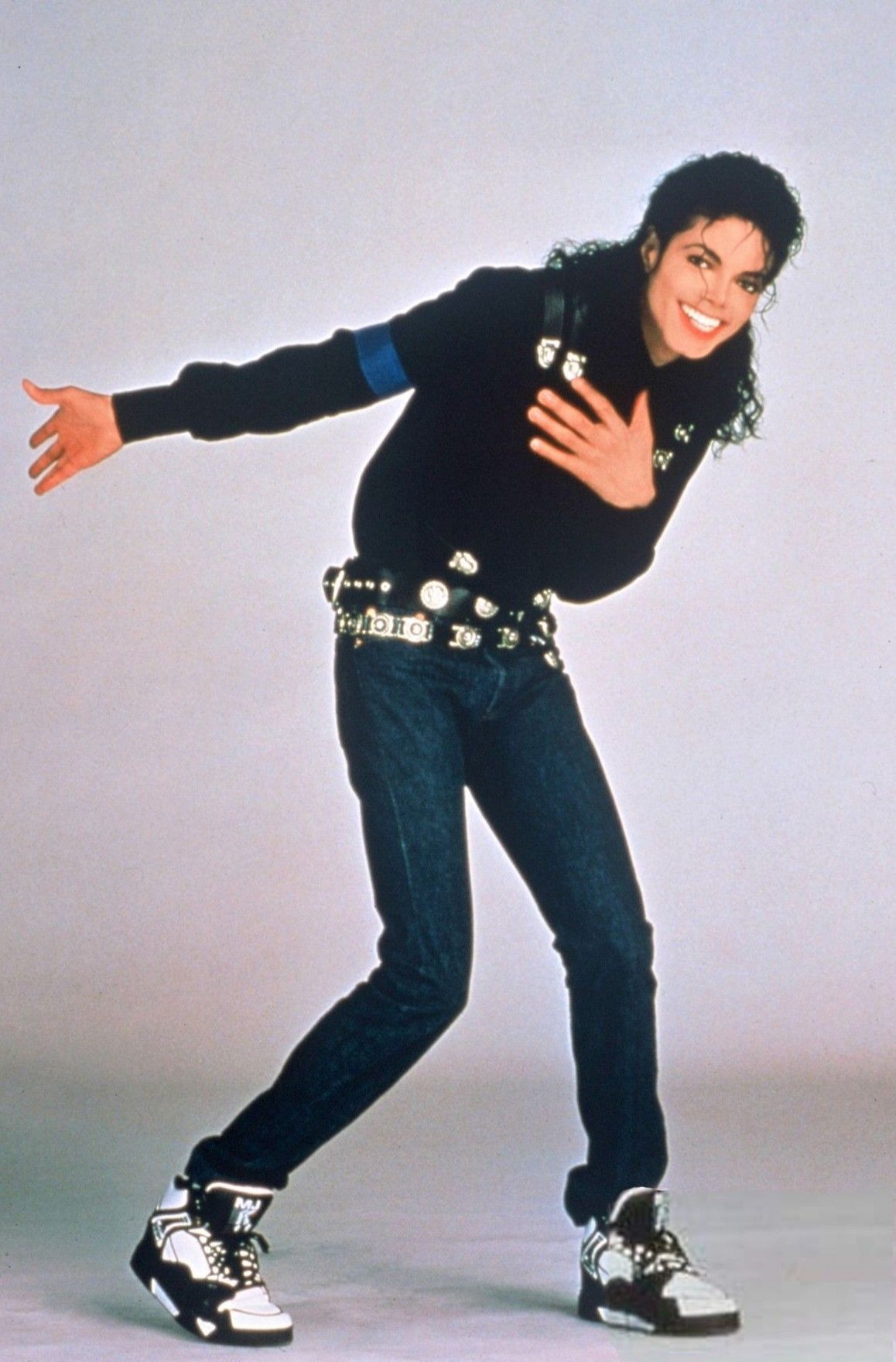
The move existed before that night. Street dancers called it the backslide, and versions of it go back decades — tap legend Bill Bailey performed one in the 1950s, and it lived on in the popping scene of the late seventies. Michael saw it, loved it, and asked the dancers who did it best to teach him. He practiced it obsessively in his kitchen at Hayvenhurst until the illusion was perfect: a body walking forward while traveling backwards.
The night of Motown 25
On March 25, 1983, at the taping of Motown 25: Yesterday, Today, Forever, Michael performed Billie Jean — the only non-Motown song of the night, which he had agreed to sing on one condition: that he could do it his way. Fedora, single glove, high-water trousers, white socks. Midway through the song, he leaned back, snapped upright, and glided backwards across the stage for barely two seconds.
The special aired that May to 47 million viewers. By September, every schoolyard, every wedding, every talent show on the planet had someone attempting the moonwalk. Forty years later, they still are.
Why it works
The moonwalk is an illusion of friction: one foot flat and sliding, the other popped onto the toe and pushing, weight transferred at the exact instant your eye expects the opposite. Done slowly it looks mechanical; done at Michael's speed it looks like the floor itself is moving. Dancers study the Motown 25 clip frame by frame to this day — the clip below is that exact night.